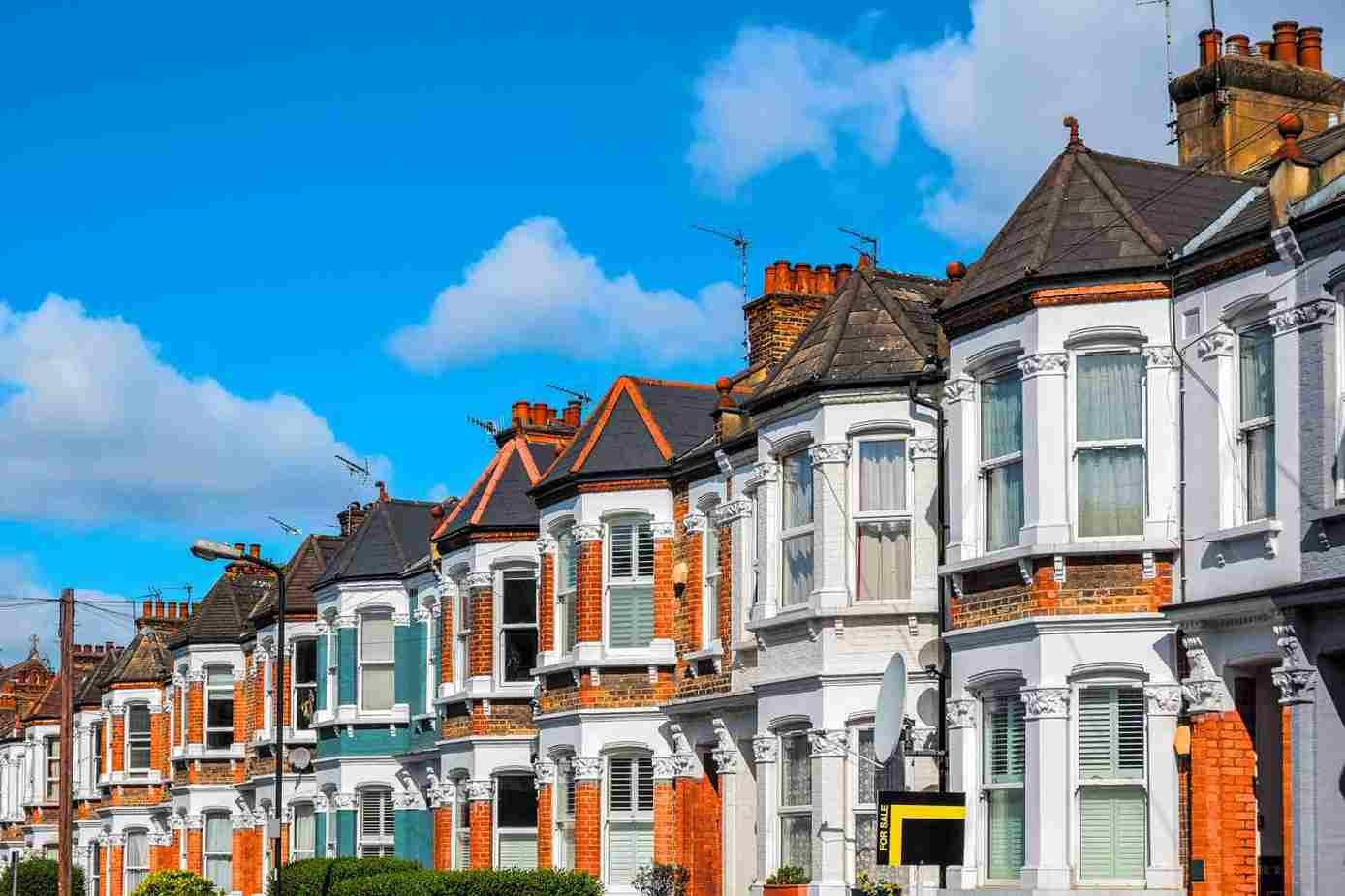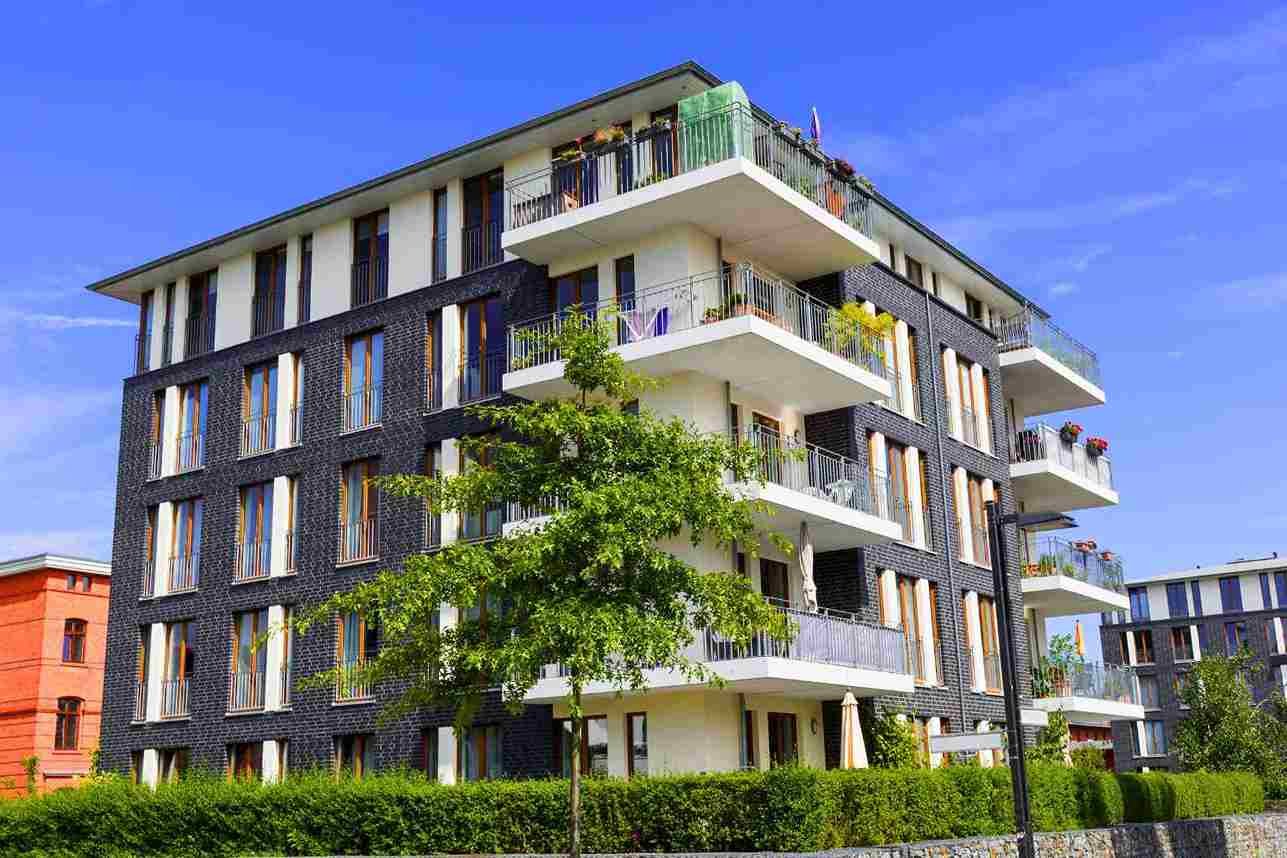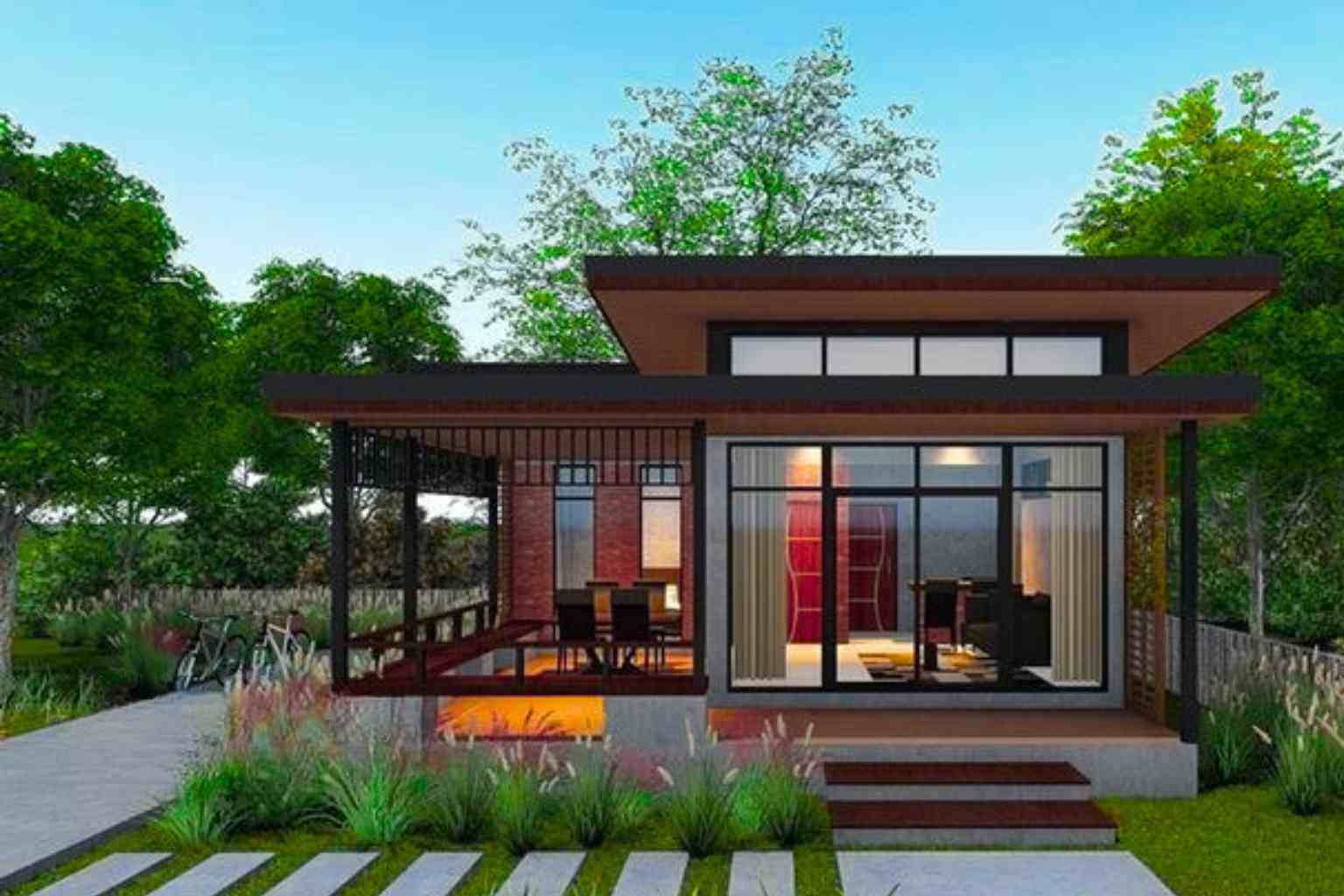
With property prices constantly on the rise in major cities, we are all reconsidering what we really need. In urban centres where space is at a premium and real estate prices are sky high tiny homes have been popping up all over the place. For these smaller living spaces, it’s all about smart design, function for everything and efficient use of every last square foot. It used to be a trade-off, now it is becoming the 21st century way of living.
1. Why Housing Costs Are Driving Smaller Homes
Widespread urbanization, limited land supply and high demand have driven property prices to new highs in many places. Standalone homes in city centers are often financially out of reach for young professionals and small families. The Tiny House movement offer a practical and economic alternative.
2. Changing Lifestyle Preferences
Nowadays, city dwellers want convenience over space. Work is one of the items keeping people away from home, family and friends. So, they opt for small homes that are manageable and which are also located near their jobs and entertainment centres.
3. Smart Design for Small Spaces
These compact homes are not simply scaled-down versions of traditional homes. These are made to be efficient.
- Sofa beds and folding tables dual purpose furniture
- Built in storage solutions
- Open layouts to reduce clutter
- Sliding rather than swinging doors
- Vertical storage using walls
All of these features help tiny homes seem larger and more functional.
4. Growth of Micro Apartments
Micro apartments, typically measured at 200 to 400 square feet, are gaining popularity in many major cities. These homes make the most of space with their smart design and minimalist aesthetics. They are very popular with students, single professionals and short runners.
5. Impact of Remote and Hybrid Working
The ability to work remotely has changed how people think about space. Where some crave big suburban homes others want small compact city dwellings, near social and commercial hubs. Tinier houses equate to less time spent commuting and closer access to the amenities of city living.
6. Financial Advantages of Compact Homes
And compact homes provide financial advantages beyond reduced purchase prices.
- Reduced utility bills
- Lower maintenance costs
- Smaller property taxes
- Affordable rental options
- Easier financing and mortgage approval
These are selling points for first time home buyers.
7. Environmental Benefits of Smaller Living Spaces
It takes less energy and fewer materials to build smaller homes. Less waste to trash dump and less garbage bags, more leaves can be accommodated in the leaf vacuum mulcher. Many smaller homes are also constructed with energy efficient appliances and environmentally friendly designs.
8. Rise of Co Living and Shared Spaces
In high-cost cities, so are co living spaces on par with pint-size homes. These tours provide private bedrooms for travelers, with a shared kitchen and common area. They are both affordable and social, even for the young professional.
9. Problems with Small Spaces
But in addition to the advantages, a compact home also presents some issues:
- Limited storage space
- Reduced privacy for families
- Need for careful organization
- Less room for expansion
- Potential feeling of confinement
The solution is to plan smart to get around these restrictions.
10. The Future of Urban Housing
Compact homes are probably just going to become more and more common for growing cities with expensive property.” Developers are prioritizing efficient floor plans, smart home technology and included amenities to make living in tight spaces more appealing. In its place, small homes may come to be perceived not as a compromise but as a sensible urban alternative.
Key Takeaways
The boom in tiny homes in costly urban areas is a direct result of the economic and lifestyle realities. Smart design, financial incentives and environmental consciousness have made smaller homes practical and appealing. As our cities becomes more and more crowded, tiny housing will almost certainly be the future of city living.
FAQs:
Q1. Why are tiny homes now trendy in expensive cities?
Why: High property values make smaller homes more attainable.
Q2. How small is a compact home?
Taking in about 200 to 800 square feet, depending on where it is located.
Q3. Can you have a family in a tiny home?
They won’t serve large families very well, but design counts.
Q4. Does living in a tiny house “let go” of costs-es?
Yes, they tend to have lower utility and maintenance and tax costs.
Q5. How about the pendulum swinging back to more than a trend?
And it seems to be persisting as urban land dwindles.