For decades the dominant mode of digital interaction has revolved around screens, keyboards and touch interfaces. Apps had to be opened, buttons tapped and menus navigated. Now, there’s a new shift happening with no-UI experiences and technology. Zero-UI is the concept of infinite interaction between technology without traditional graphic interfaces. Voice, motion and face recognition and automation none of it is on screens.
Zero-UI tech is reshaping digital experiences to be more and more human-like, personalized and intuitive.
1. What Is Zero-UI Technology
Zero-UI stands for zero user interface. It’s an allusion to appliances without screens and complex control sets. Communication takes place through:
- voice commands
- hand movements
- visual sensors
- responses
The aim is for tech to be invisible and intuitive.
2. Why Traditional Interfaces Are Evolving
Screens require focused attention. Increasingly portable and integrated devices meant to make our lives easier have, in fact, tethered us to a compulsion of trying to grab some screen time all the time. Users want faster, hands-free control. Zero-UI systems facilitate inputs that are close to nature and free of any friction.
This improves convenience and accessibility.
3. Voice as the Primary Interface
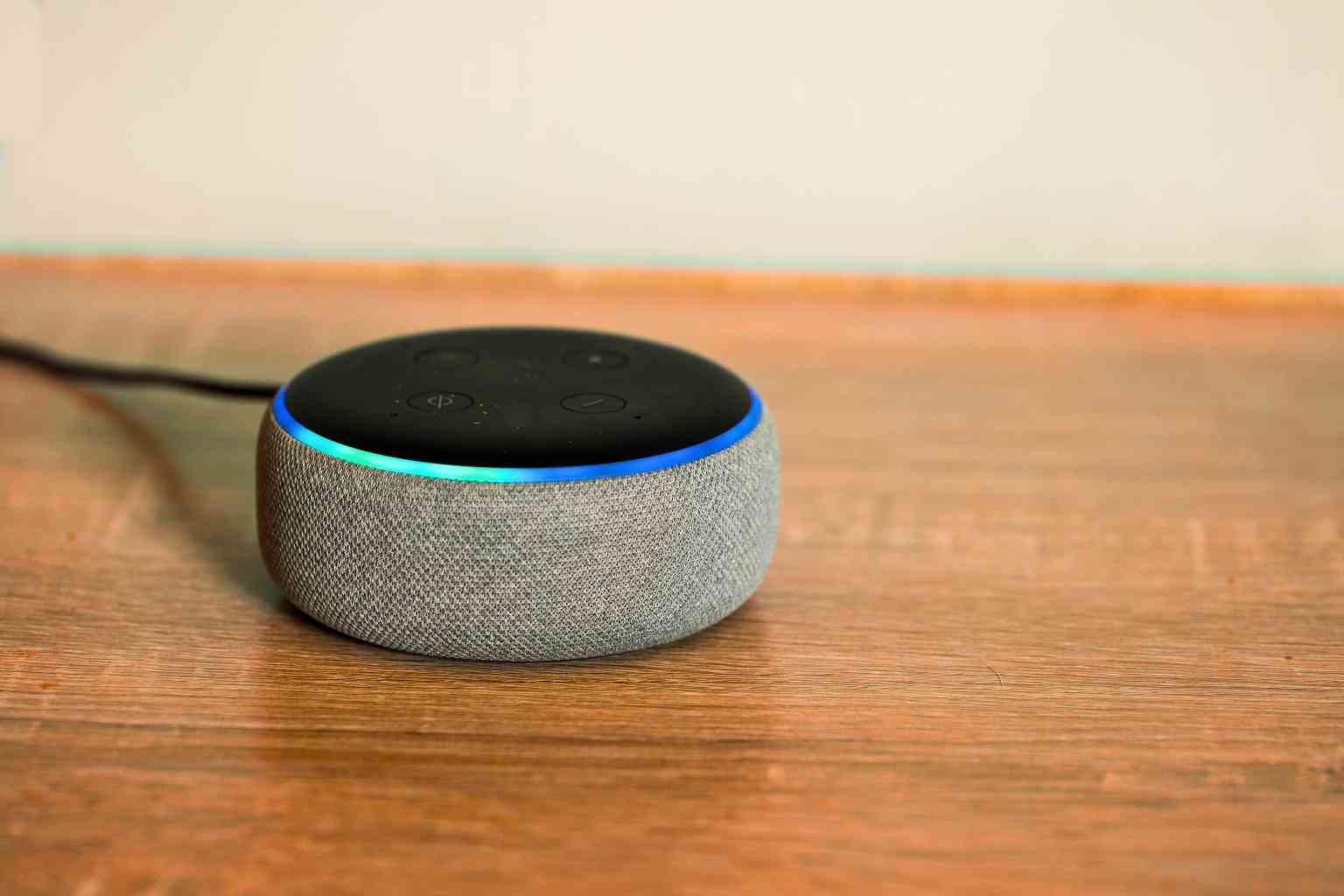
Zero-UI Voice assistants are among the most common examples of zero-UI. Users can ask questions, control their smart home appliances, have reminders set and schedules managed without having to touch a screen.
Voice function which can be used while doing something else with hands in disabled people.
4. Gesture and Motion-Based Controls
gesture detect body or hand movement of users to operate user interfaces. For example:
- Waving to advance slides
- Waving to activate a device
- Motion sensors turning lights on
- Eye tracking for navigation
- Facial recognition for secure access
It interrupts your workflow with less of a learning curve than buttons.
5. Role of Artificial Intelligence
Zero-UI systems can operate through some form of artificial intelligence that understands speech, body language, or contextual cues (such as time of day). Artificial intelligence can learn that context and predict what a user wants, which makes interaction more natural and on point.
The more you use an algorithm, the better it becomes.
6. Smart Homes and Ambient Environments
Zero-UI is revolutionizing our interaction with the smart home. Lights turn themselves low, or the thermostat light goes an interesting shade of mauve when you sit down; security systems arm themselves without a second’s consideration. They’re humming quietly in the background.
This creates ambient computing experiences.
7. Benefits of Zero-UI Experiences
Zero-UI systems offer several advantages:
- Hands-free convenience
- Reduced screen dependency
- Faster interaction
- Enhanced accessibility
- More immersive environments
The upside of those is that they are being well adopted.
8. Challenges in Zero-UI Design
But there are also the downsides of zero-UI technology:
- Terror of privacy: Of the devices that are always just sitting in wait and listening all the time
- Risk of misinterpreting commands
- Limited feedback without visual cues
- Security vulnerabilities
- Cultural differences in gesture interpretation
Designers of applications and websites have to balance convenience with security.
9. Impact on Workplace and Industry
With Zero-UI systems, at least they make some efficiency-enhancing sense in the office. Staff can also control machines via voice command, or opt for a gesture-based system in augmented environments. That means there are less hands-on actions and quicker executions.
Industry adoption continues to expand.
10. The Future of Invisible Interaction
The screen may be sinking in Silicon Valley, where the future of technology is increasingly being forged without any actual screens. Whether enhanced by ambient computing and AI technologies, we will begin to think of zero-UI experiences as a norm not just in the home environment, but also across vehicles, healthcare or public spaces.”
Technology will be more about ‘seamless integration’ where we can utilize digital systems in an incredibly natural way that isn’t distracting focus.
Key Takeaways
- No-UI suscitsch the old screens and buttons form
- Awesome with voice, gesture and AI Natural interface
- This is a blessing for the smart homes and offices in particular, enabling them to automate step by step
- Still, privacy and security remain top of mind
- Here’s the future: Invisible, intuitive technology
FAQs:
Q1. What does zero-UI mean?
It speaks to the augmentation of physical interactions with technology that we generally consider in terms of graphical user interface.
Q2. Is zero-UI Neatly Packaged As Voice Assistants?
No, it’s motion sensors and automatic everything.
Q3. Does zero-UI reduce screen time?
It knows, in fact, to offer no relief and therefore deplores visual interface dependency.
Q4. Are there privacy risks?
Yes, devices that are always listening bring why some people hesitate about getting one.
Q5. Will zero-UI replace traditional screens?
It’s not likely to supplant other interfaces, but it might help reduce the dependence on the screen.