We also have smart devices in our houses and offices. Technology is present in smartphones and laptops, smart speakers, wearables or connected appliances you name it. But they’re devices from different manufacturers, a range of platforms. Interoperability is the magic that allows them to talk and play nice.
By interoperability, we mean that a range of devices or systems can connect to one another with the capacity to share data and operate within the same system. As devices converge, we all want to create solutions that can work across an ecosystem.
1. What Is Interoperability in Technology
Interoperability Is the characteristic Of a product Or system, whose interfaces are completely understood, to work With other products Or systems. Instead of being silos, devices talk using universally accepted standards and protocols.
This helps somewhat with cross platform integration.
2. Why Device Ecosystems Need Interoperability
Without interoperability, consumers would have to buy multiple apps and controls for each device. This is inconvenient and non-automatable. Processing it by allowing each device to be a one combined system, because the devices are integrated all manage is easy.
It makes a user more convenient and efficient.
3. Role in Smart Home Environments
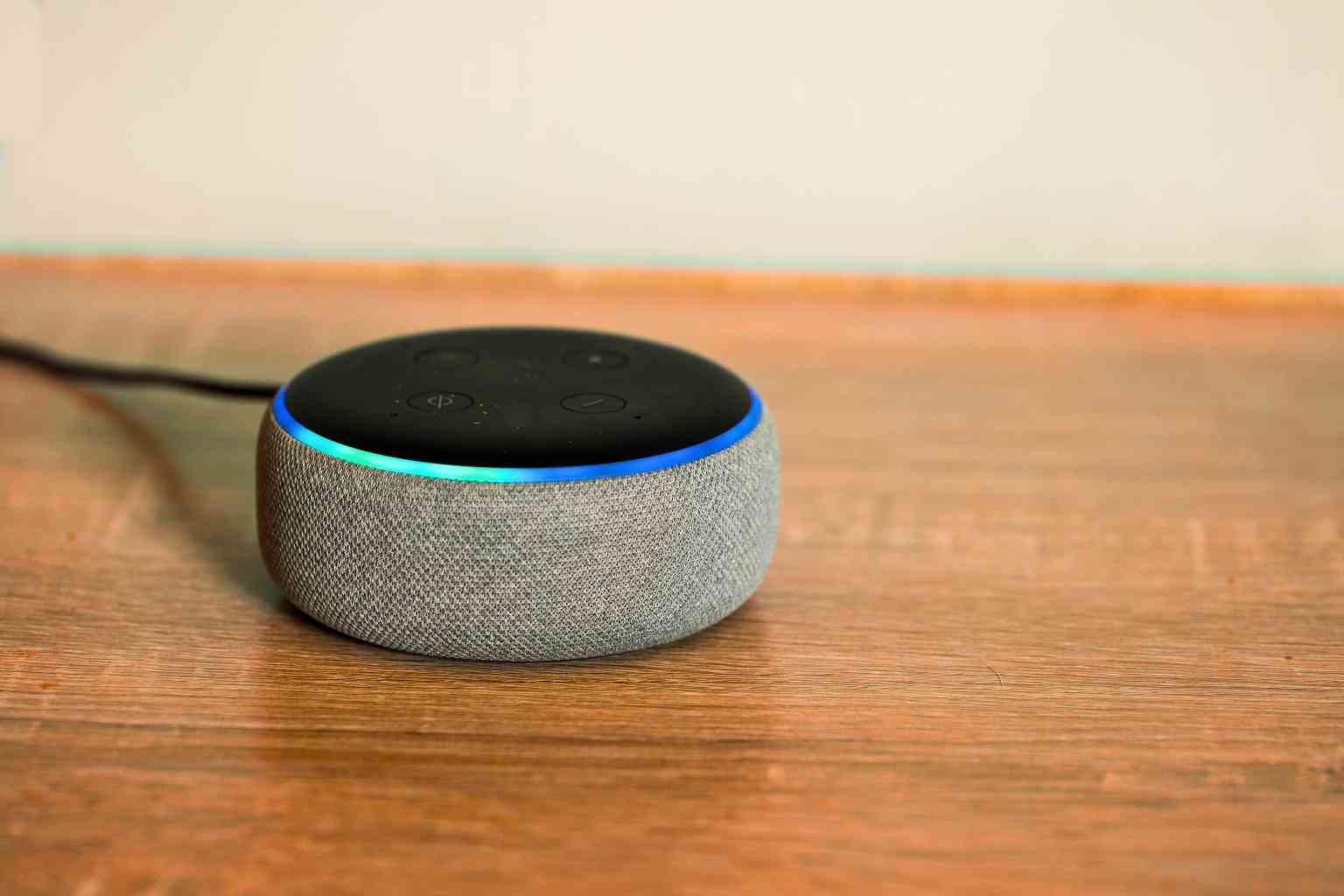
Open is the guiding principle of smart homes. Lights, thermostats, security cameras and voice assistants should be able to collaborate to accomplish a goal. A smart speaker might, for example, set lighting and temperature off in unison.
Not least because the automation and convenience is just taken to a new level.
4. Benefits of Interoperable Ecosystems
Interoperability offers several practical advantages:
- Unified device control
- Enhanced automation capabilities
- Improved user experience
- Reduced platform lock-in
- Greater device compatibility
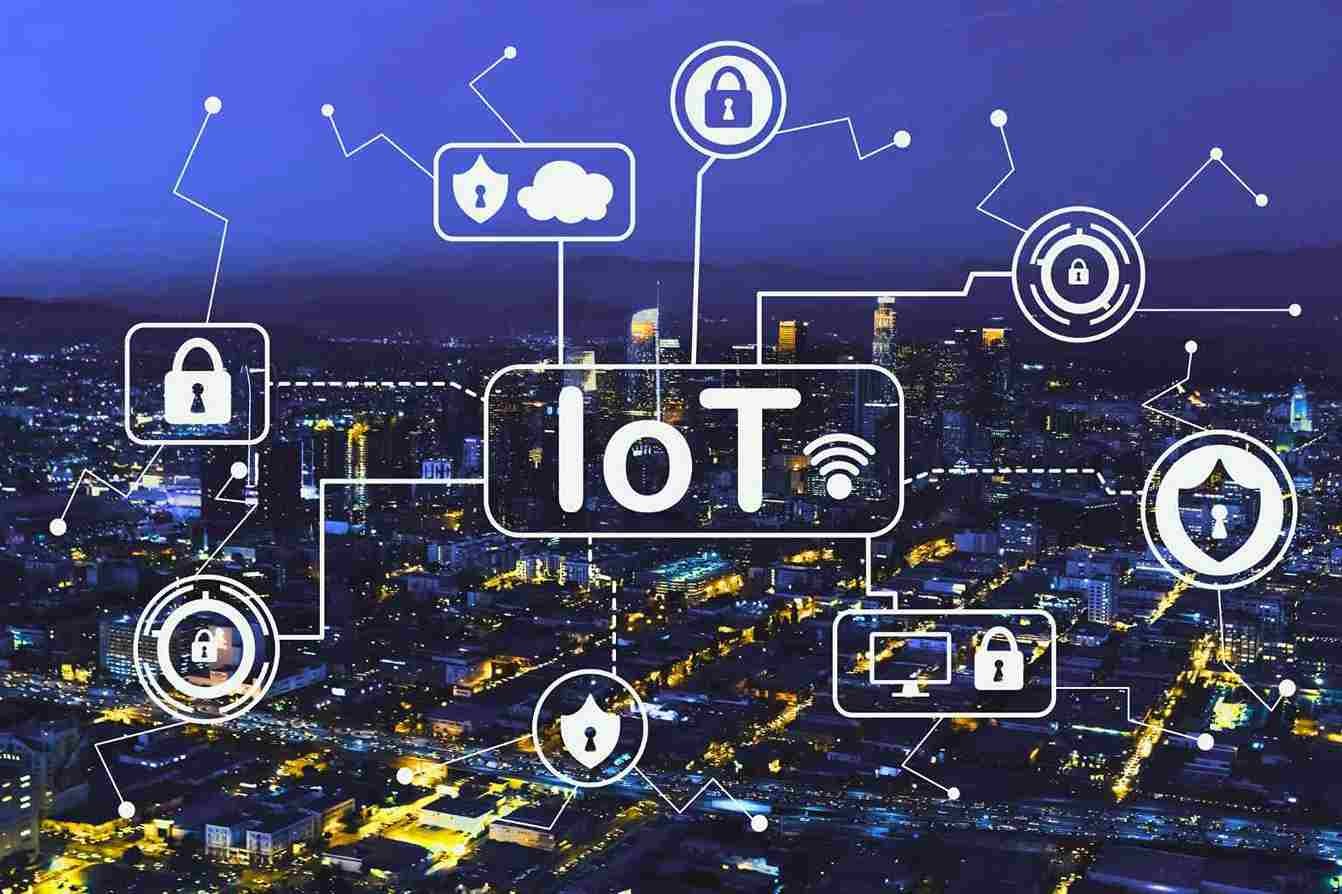
These benefits are powering the growth of IoT.
5. Industry Standards Supporting Interoperability
To enable such compatibility companies standardized. Interoperability is about open communication protocols and standards, which are the keys that allow different company’s devices to interoperate. Tes norms restaurent la désintermédiation sur le marché financier.
Common standards promote innovation.
6. Reducing Consumer Lock-In
Weaknesses come when devices operate only within brand ecosystems. Interoperable convenience that allows consumers to mix and match features with other brands while maintaining the focus on their favourite attributes.
This flexibility increases consumer choice.
7. Interoperability in Healthcare and Industry
Interoperability is an even greater concern outside the home, when applied to health care and industrial uses. Medical devices must have secure interoperable access to patient data. The sensor in industrial environments should have the ability of real time data transmission to monitoring systems.
Good communication leads to greater safety and productivity.
8. Security and Privacy Considerations
In an era when ever more information gets passed between devices, security is everything:
- Protecting shared communication channels
- Preventing unauthorized access
- Encrypting transmitted data
- Managing user permissions
- Updating firmware across devices
Strong cybersecurity practices are essential.
9. Challenges in Achieving Full Interoperability
Despite progress, challenges remain:
- Competing industry standards
- Technical complexity
- Legacy system compatibility
- Performance differences between devices
- Business competition limiting openness
Overcoming these barriers requires collaboration.
10. The Future of Connected Ecosystems
So, the future of many device ecosystems may in large part depend on integration. And as artificial intelligence and Internet of Things technologies continue to expand, so will interoperability. Items will not just connect but seamlessly integrate.
Smart homes in future could be more-systems integrated and interconnected.
Key Takeaways
- That’s exactly what the interoperability in practice part does – because it allows for products from different vendors and platforms to work together with ease
- It gets the automatic work to be more intelligent, friendly, and liberating from the platform
- With these interconnected ecologies growing, interoperability remains a launching pad for new ideas and easier integration
FAQs:
Q1. In plain English, what is interoperability?
This means that different devices and systems can play well together.
Q2. Why does it matter if your smart home devices are compatible?
It allows self-management of inter-device communication toward synchronized execution.
Q3. Does interoperability improve security?
It could have happened, had there been secure communication channels.
Q4. Can interoperability reduce brand dependency?
Yeah, it does offer support for devices across different manufacturers.
Q5. Will interoperability continue to grow?
Yes, growing interlinked ecosystems depend on it.