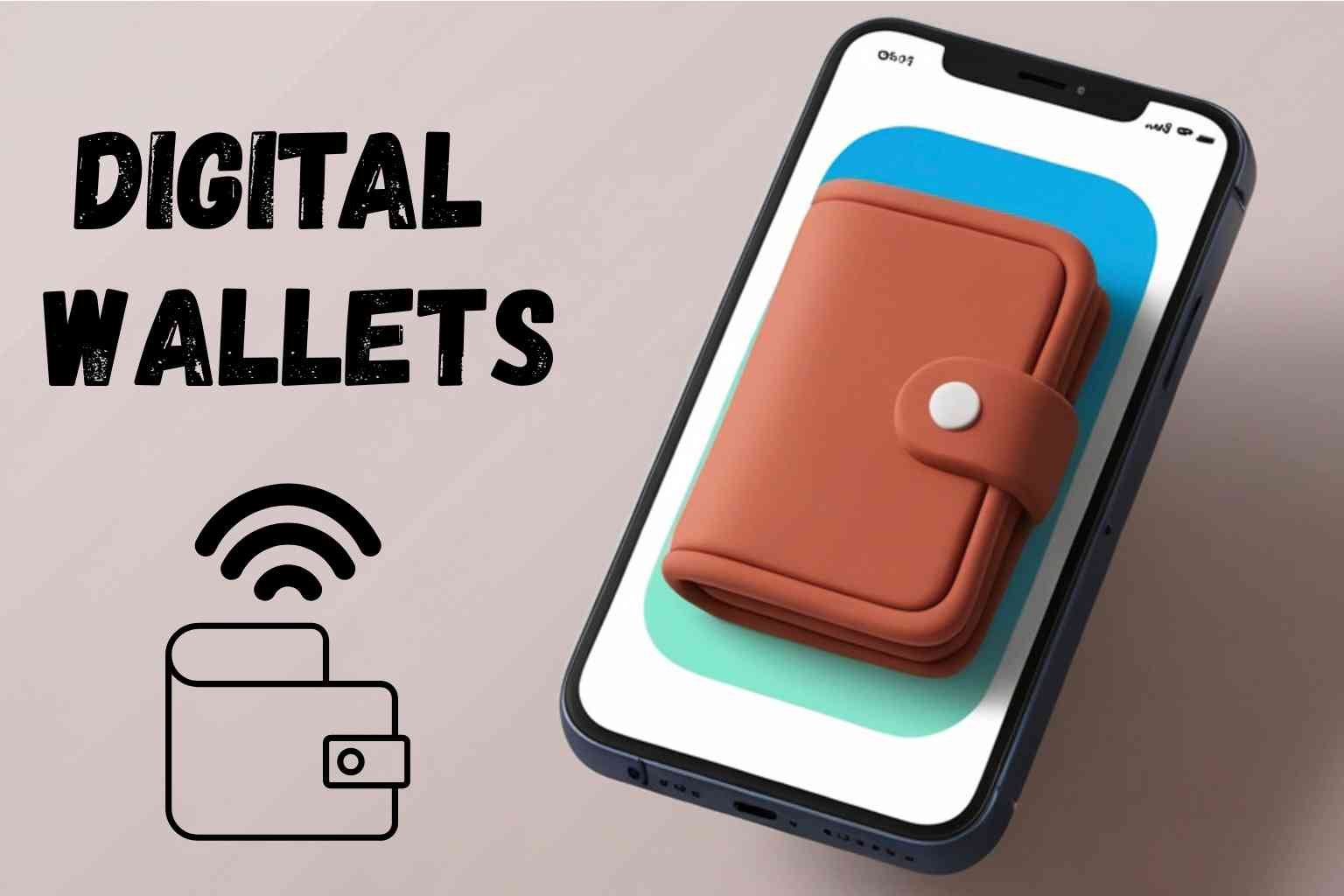
In the digital age, banking behaviors evolve quickly. What used to involve walking into a bank branch or carrying around physical cash can now be done with a smartphone. More and more people now prefer to store money, pay and move funds via an electronic wallet (digital wallet). By providing speed, ease and security, digital wallets are increasingly being used as an alternative to more conventional banking practices worldwide.
1. What Is a Digital Wallet
A digital wallet is a mobile app that securely stores payment information. It permits people to pay with smartphones, tablets or smartwatches. All of your relevant cards debit, credit and bank accounts, as well as loyalty cards can be stored in one convenient place.
2. Why People Prefer Digital Wallets
The most important factor for their popularity is convenience. You do not have to carry cash or physical cards. With a tap or a scan, payments can be instantaneous. This ease makes it perfect for time-saving lifestyles.
3. Faster and Contactless Transactions
Digital wallets include those that use near-field communication or QR codes for contactless payments. Transactions take only seconds. This velocity minimizes wait times and enhances the customer experience both in-store and online.
4. Growth of Mobile Banking Integration
Many banks today embed their services right in digital wallet apps. Customers can check balances, pay bills and transfer money without stepping foot in a branch. This minimizes reliance on traditional banking methods.
5. Key Benefits of Digital Wallets
Digital wallets offer several advantages:
- Quick and easy payments
- Reduced need for physical cash
- Secure authentication methods
- Transaction history tracking
- Seamless online shopping
They encourage the move toward digital finance.
6. Improved Security Features
The new digital wallets incorporate encryption, biometric-based authentication, and tokenization. An added level of security comes from the fingerprint and facial recognition. These safety nets minimize risk versus carrying cash.
7. Expanding Financial Inclusion
Digital wallets enable people to access financial services, even if they do not have traditional bank accounts. Mobile wallets are available in a number of areas as payment services for those who previously had no access to banking.
8. Challenges and Concerns
There are, however, obstacles digital wallets need to overcome despite their rapidly advancing growth:
- Cybersecurity risks
- Dependence on internet connectivity
- Privacy concerns
- Regulatory compliance issues
- Technical system failures
To overcome these matters, user confidence should be increased.
9. Impact on Traditional Banking
Banks Are Banks are responding to technology changes by rolling out online services and teaming up with fintech companies. Lower branch traffic for customers who increasingly turn to digital options. Those banks that take new ideas on board stay in the game.
10. The Future of Digital Payments
The future of finance will probably be even more digital. Technological enhancements like biometric payments, integration of blockchain and accelerated cross-border transfers have given digital wallets a new lease of life. Analog banking behavior will continue to change, however, as technology continues to advance.
Key Takeaways
- Payments are faster and more convenient with the use of digital wallets
- Security features enhance user trust
- Mobile access boosts financial inclusion
- Established banking is responding to the digital shift
- The new frontier of payments is mobile and contactless
FAQs:
Q1. What is a digital wallet?
It’s an app on smartphones that stores card information for digital payments.
Q2. Are digital wallets secure?
Yes, many do employ encryption and biometric security.
Q3. Will digital wallets replace bank accounts?
They work in concert with bank accounts, but they don’t replace them entirely.
Q4. Do digital wallets even work when users are offline?
Some features need the internet, and some offline payments may be possible.
Q5. Will virtual wallets keep swelling?
Yes, the use of mobile payment is growing globally.