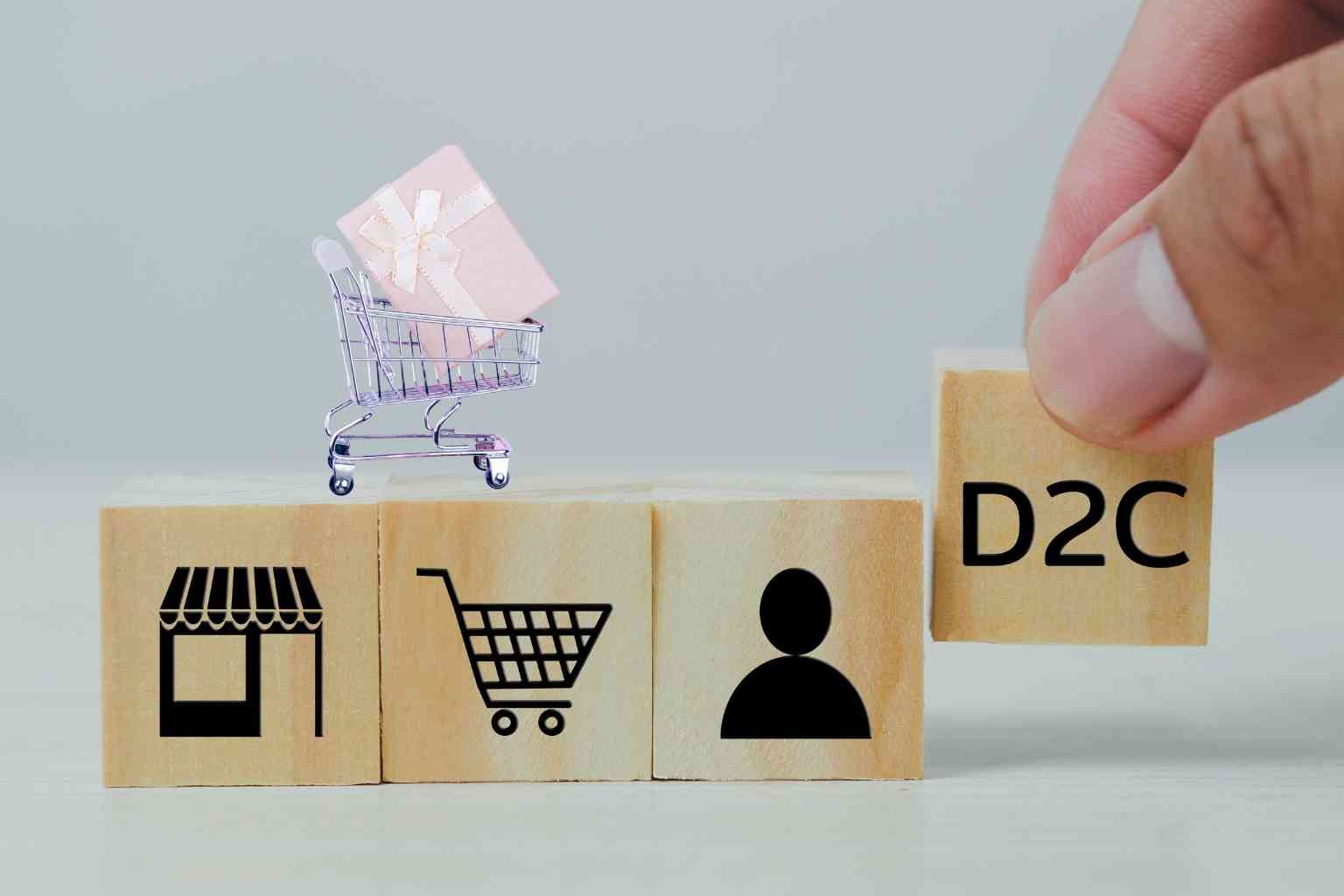
There has been a massive shift in how products make it into the hands of customers over the past few years. Direct-to-consumer, or D2C, businesses are proliferating because they sell products directly to buyers without intermediaries like wholesalers or retailers. This model allows brands to retain greater control over pricing, the customer relationship and brand image. Source: Moengage As the digital landscape changes and evolves, D2C companies are now a force to be reckoned with in ecommerce.
1. What Is a Direct-to-Consumer Business
A direct-to-consumer business sells goods directly to consumers through online channels, mobile apps or physical brand-owned stores. Companies do not rely on third-party retailers and instead control their own sales channels. This form of campaigning is a good way to build relationships between brands and clients.
2. Why Consumers Prefer Buying Directly
Contemporary clients are concerned about convenience, clarity and individualized attention. You’ll often be better off buying direct from a brand, with the best in product info, deals that are exclusive to customers and direct support. Consumers are also more assured that they are buying genuine goods.
3. Technology Has Made D2C Easier
Tech, platforms and online payment systems along with marketing on social media have broken down barriers for brands to reach customers worldwide. Even a small start-up can open an online store and compete with large companies. Technology has made starting a new business less restrictive.
4. Higher Profit Margins for Brands
And without intermediaries, D2C brands can keep a larger portion of the revenue. Rather than needing to pay distributors and retailers a share of the profit, they can afford to invest more in product quality, customer service and consumer marketing. This improves overall business growth.
5. Primary Benefits of the D2C Approach
Direct-to-consumer businesses have a number of strengths going for them:
- 100% branding and pricing control
- Direct communication with customers
- Faster product feedback and improvements
- Better data collection and analytics
- Stronger customer loyalty programs
These benefits allow brands to grow long term relationships.
6. Social media and the rise of D2C
D2C brands leverage social media as a massive marketing network. Businesses lure in customers with influencer collaborations, targeted ads and engaging content. That option has led to a very seamless buying experience within apps: Social commerce features enable users to shop from within the app.
7. Challenges D2C Brands Must Manage
While D2C companies are on a fast growth trajectory, there is a set of challenges that such businesses face:
- High digital advertising costs
- Intense competition in online markets
- Managing logistics and delivery
- Maintaining consistent product quality
- Building trust as a new brand
To overcome these challenges, they need solid operational planning.
8. The Competitive Edge of Customer Information
Customer data provided a competitive edge to D2C brands more broadly. Personalization of offers and greater customer experience can be achieved by studying buying behaviour, preference and feedback. The number of possible repeat purchases grows by data driven strategies.
9. Impact on Traditional Retail
D2C businesses are disrupting retail. With that as motivation, a lot of legacy brands have been creating their own online retail sites to make it harder for consumers to comparison-shop. Retail is changing in the face of being disrupted, with retailers such as those of bespoke experiences that cannot easily be replicated online.
10. The Future of Direct-to-Consumer Businesses
The D2C model is coming of age as digital shopping becomes the norm. “In the long term, brands that dwell on transparency, customer experience and quality will be successful. Through continuing innovation and intelligent data utilization, D2C brands will continue to be a major player in modern commerce.
Key Takeaways
Factories are thriving instantly because tech enables customer hook-up and profit-control claims. Brands that sell direct forge stronger relationships, gather more actionable insights and respond faster to market opportunities. Though the D2C model has its challenges, it is the future of retail.
FAQs:
Q1. What does direct-to-consumer mean?
It refers to selling products directly to consumers without middlemen.
Q2. Why are D2C brands taking off so quickly?
Because technology makes it easy for brands to communicate with customers and develop relationships.
Q3. Are D2C products cheaper?
In some cases, yes since you won’t have to cover the distributor or retailer’s margins.
Q4. D2C Model for Startups: Does it make sense?
Yes, it has low the minimum and Direct Market Access.
Q5. Will D2C replace traditional retail?
Not totally, but it is altering the retail landscape in a big way.